
KOREA · WORLD HERITAGE · UNESCO
UNESCO World Heritage Sites in Korea
Fourteen extraordinary sites spanning ancient kingdoms, sacred mountains, Buddhist temples, and royal palaces — each a window into Korea’s 5,000 years of civilisation.
INSCRIBED SITES
17 UNESCO Sites
FIRST INSCRIPTION
1995 — Three Sites
CATEGORIES
Cultural · Natural · Mixed
LATEST ADDITION
2025 — Bangucheon Petroglyphs
ABOUT UNESCO IN KOREA
A Living Archive of Korean Civilisation
South Korea holds 17 UNESCO World Heritage Sites — one of the highest concentrations in Asia. The first three were inscribed in 1995: Haeinsa Temple’s Tripitaka Koreana woodblock depositories, Jongmyo Shrine, and the Seokguram Grotto and Bulguksa Temple complex. The most recent, the Bangucheon Stream Petroglyphs, was added in 2025.
The sites span over 5,000 years of human presence on the Korean peninsula — from Neolithic dolmen fields and Bronze Age petroglyphs, through the Silla, Baekje, Goryeo, and Joseon dynasties, to still-living Buddhist monasteries and tidal ecosystems of global ecological significance.
Together they represent Korea’s exceptional contribution to world civilisation: in architecture, statecraft, Buddhism, Confucianism, astronomy, printing, and the sustainable relationship between people and landscape.
COMPLETE REFERENCE
All 17 UNESCO World Heritage Sites in Korea
Listed in order of inscription year — from 1995 to 2025.
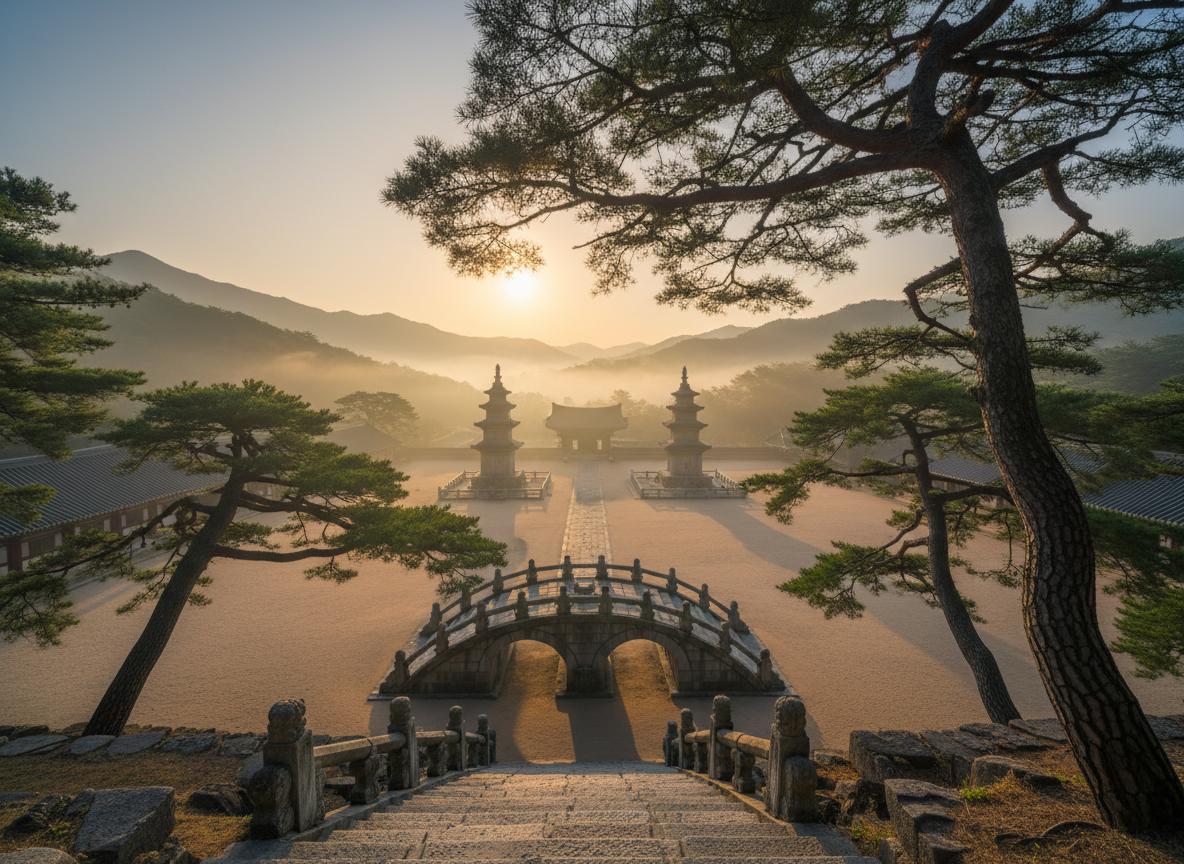
1. Seokguram Grotto & Bulguksa Temple — 1995
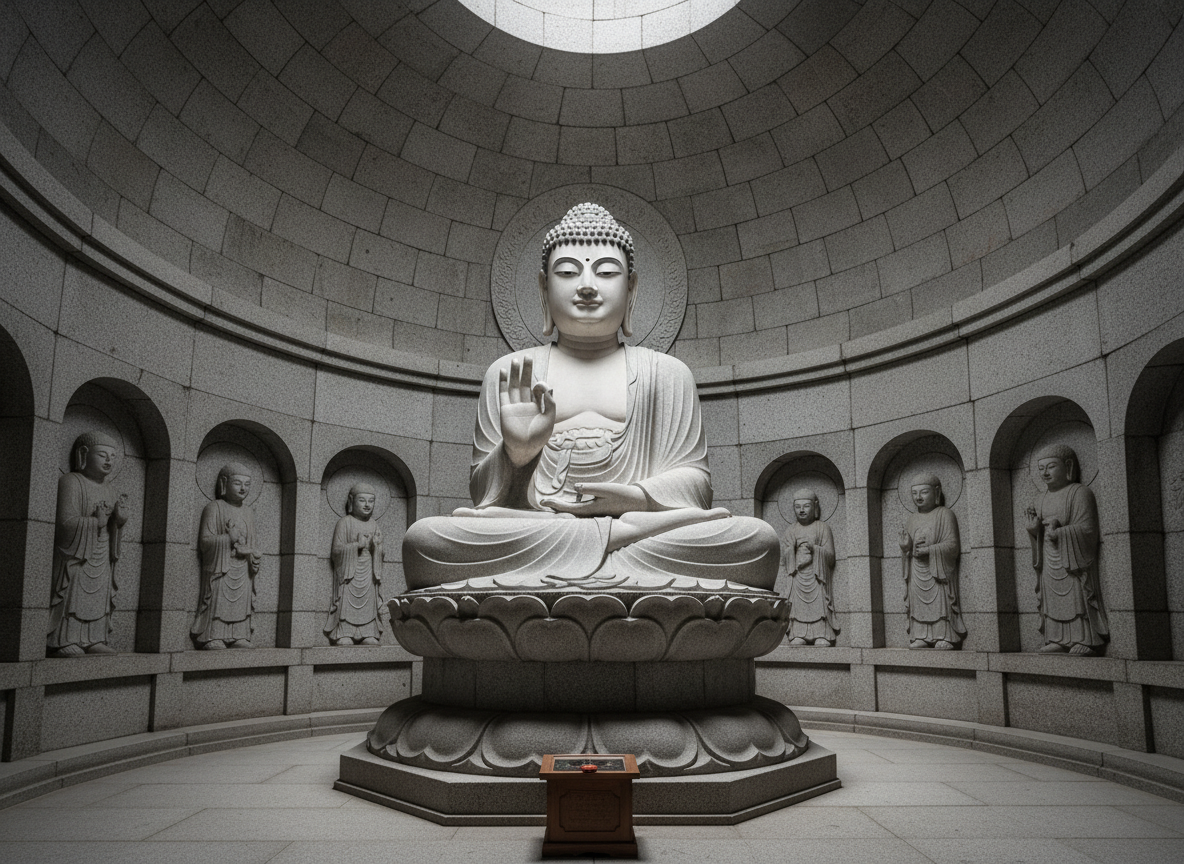
📍 Gyeongju, North Gyeongsang · Cultural | The 8th-century granite grotto of Seokguram houses one of Asia’s finest Buddhist sculptures. Bulguksa Temple below it is a masterpiece of Silla-dynasty stone architecture, with twin pagodas and stone staircases that have stood for 1,200 years.
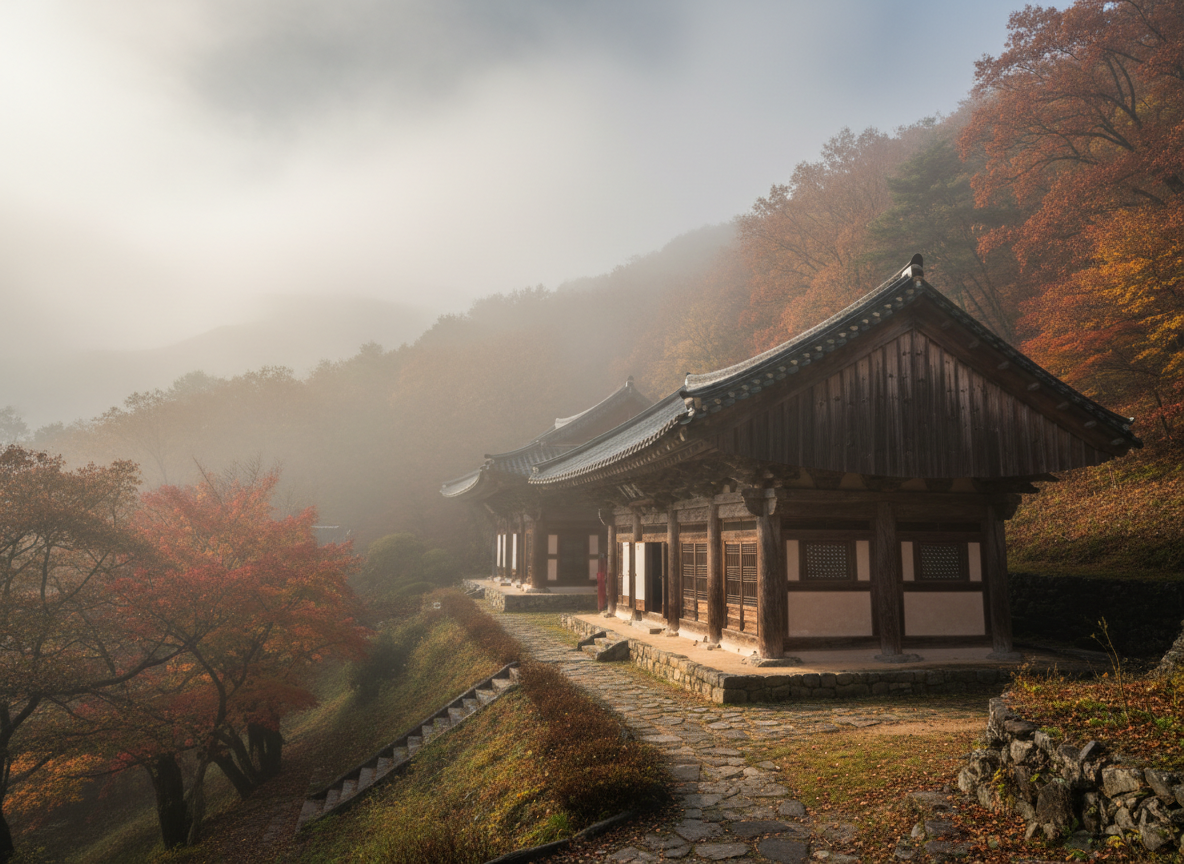
2. Haeinsa Temple — Tripitaka Koreana Depositories — 1995
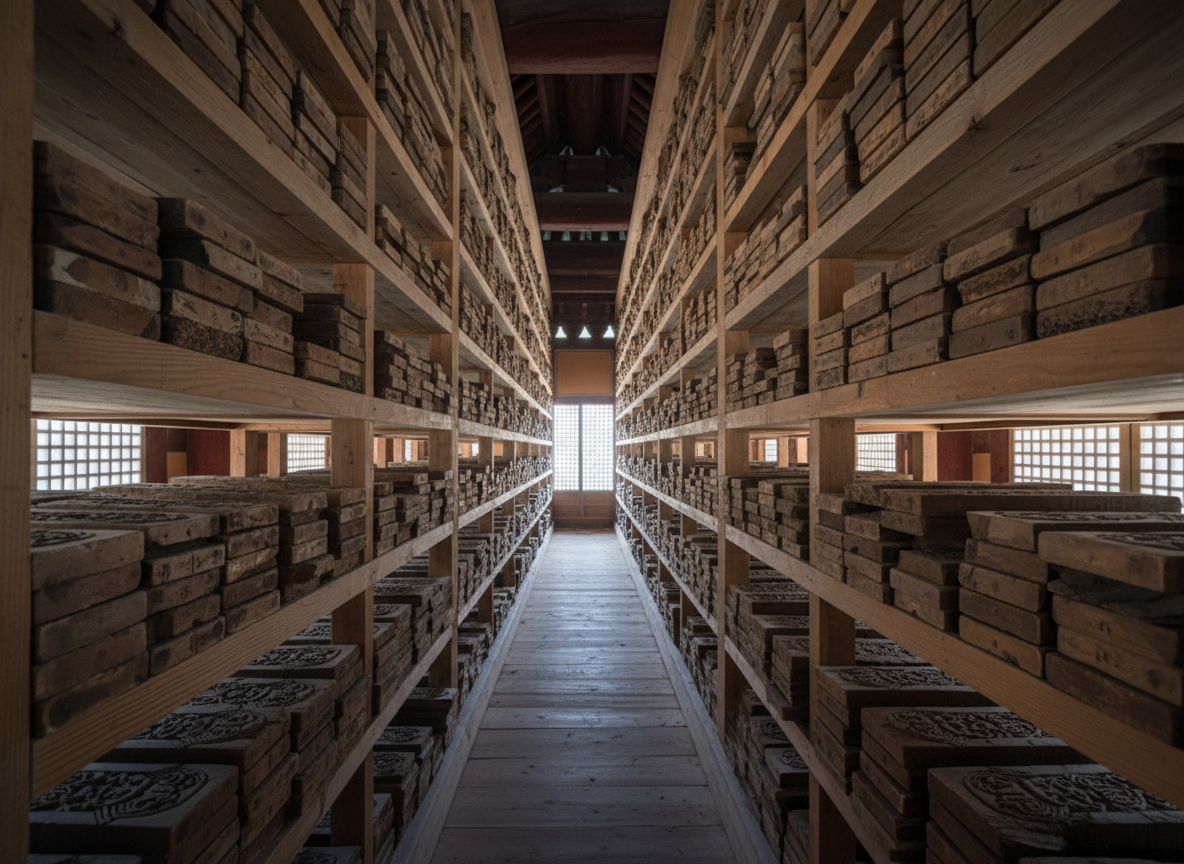
📍 Hapcheon, South Gyeongsang · Cultural | Haeinsa’s Janggyeong Panjeon halls preserve 81,258 carved wooden printing blocks of the Tripitaka Koreana — the world’s most complete and accurate Buddhist canon, carved in the 13th century. The ventilation and humidity system that protects them remains unmatched.
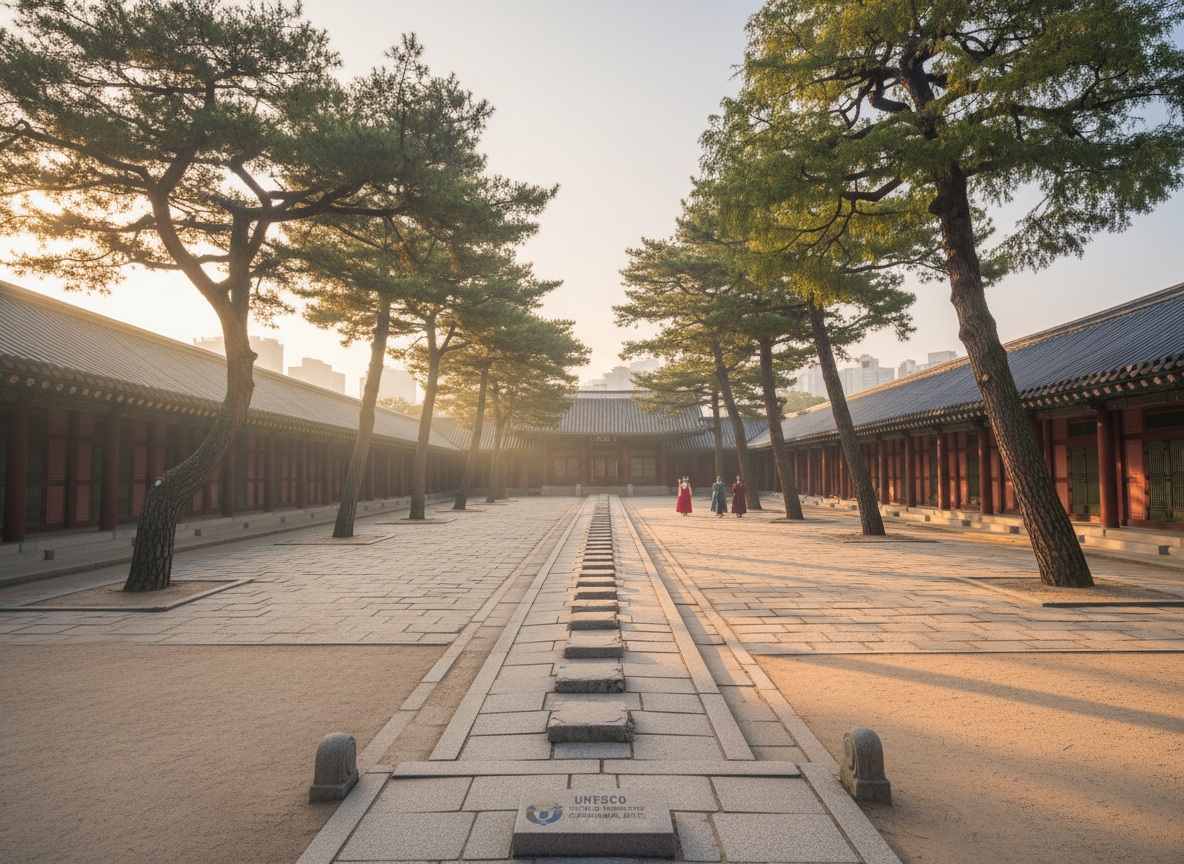
3. Jongmyo Shrine — 1995
📍 Jongno-gu, Seoul · Cultural | The oldest and most authentic Confucian royal shrine in East Asia. Built in 1394, it enshrines the spirit tablets of Joseon’s kings and queens. The Jongmyo Jerye rite — performed every first Sunday of May — is listed separately as UNESCO Intangible Cultural Heritage.
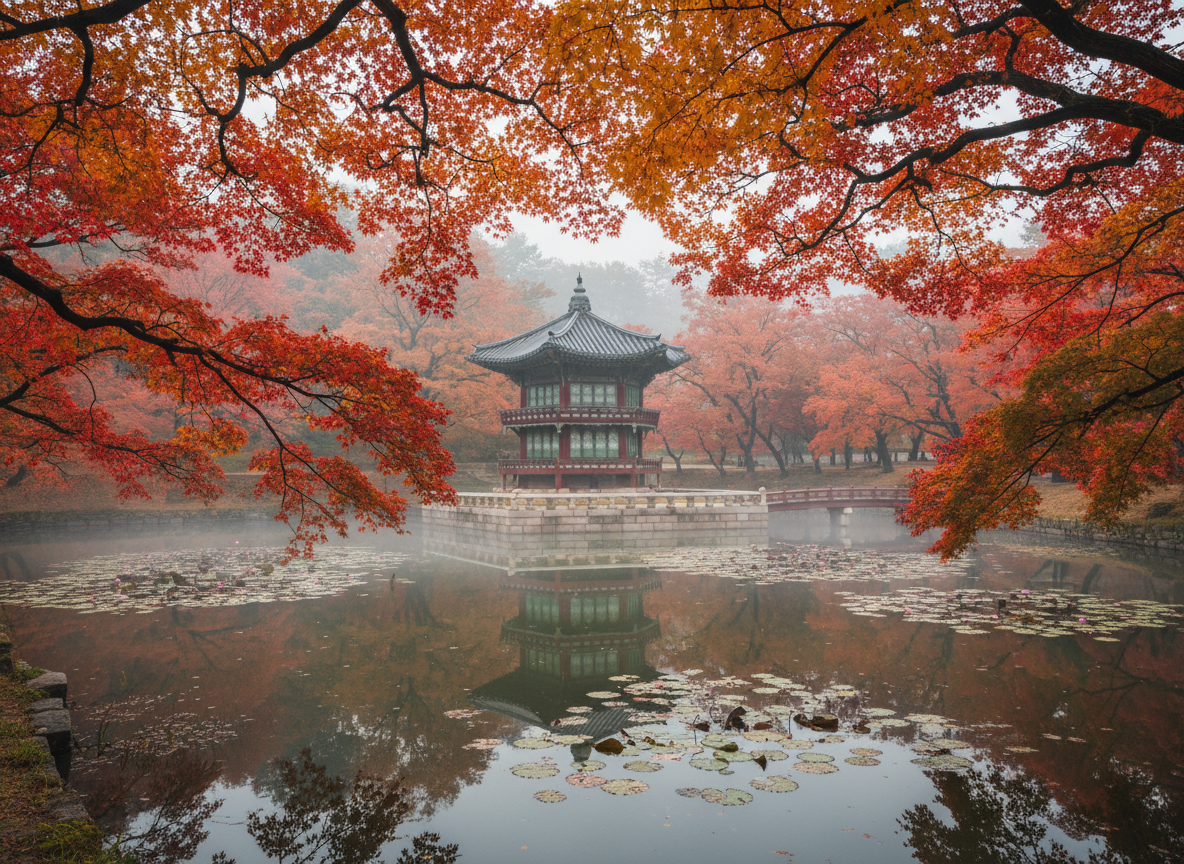
4. Changdeokgung Palace Complex — 1997
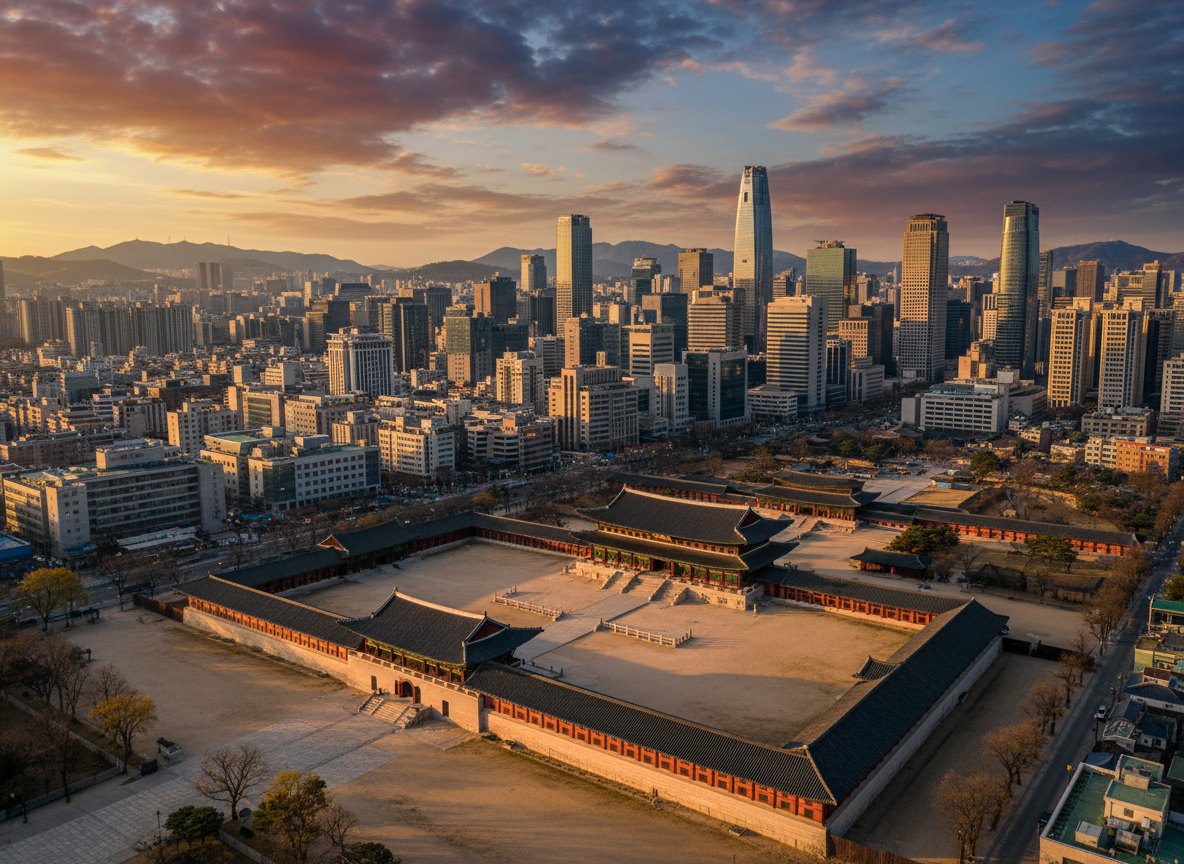
📍 Jongno-gu, Seoul · Cultural | Built in 1405, Changdeokgung was the preferred residence of Joseon royalty for centuries. Its 78-acre Secret Garden (Huwon) — forested trails, lotus ponds, and pavilions — is the finest surviving example of Korean royal landscape design.
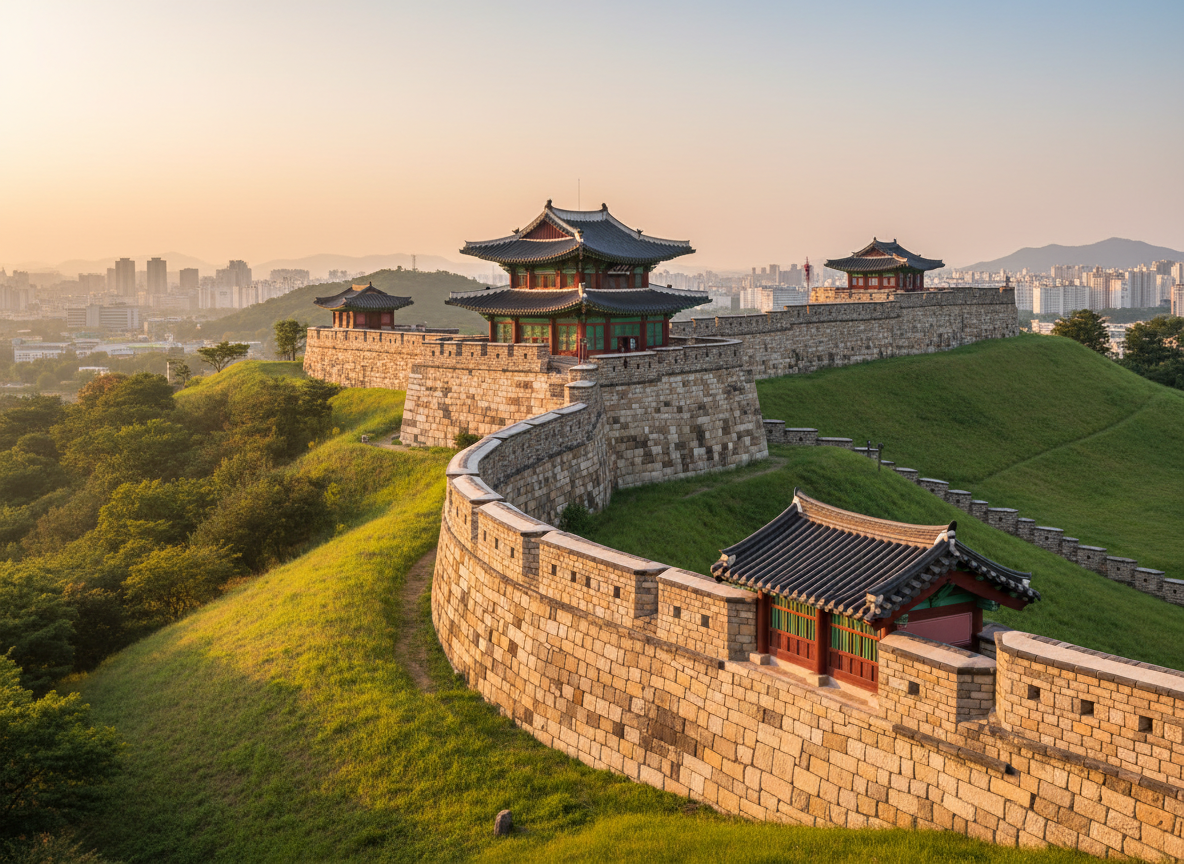
5. Hwaseong Fortress — 1997
📍 Suwon, Gyeonggi · Cultural | A 5.7 km walled fortress city built in 1796 by King Jeongjo, combining military architecture with humanist philosophy. Designed using an innovative block-and-tackle system by scholar Jeong Yak-yong, it is regarded as the pinnacle of 18th-century Korean engineering.
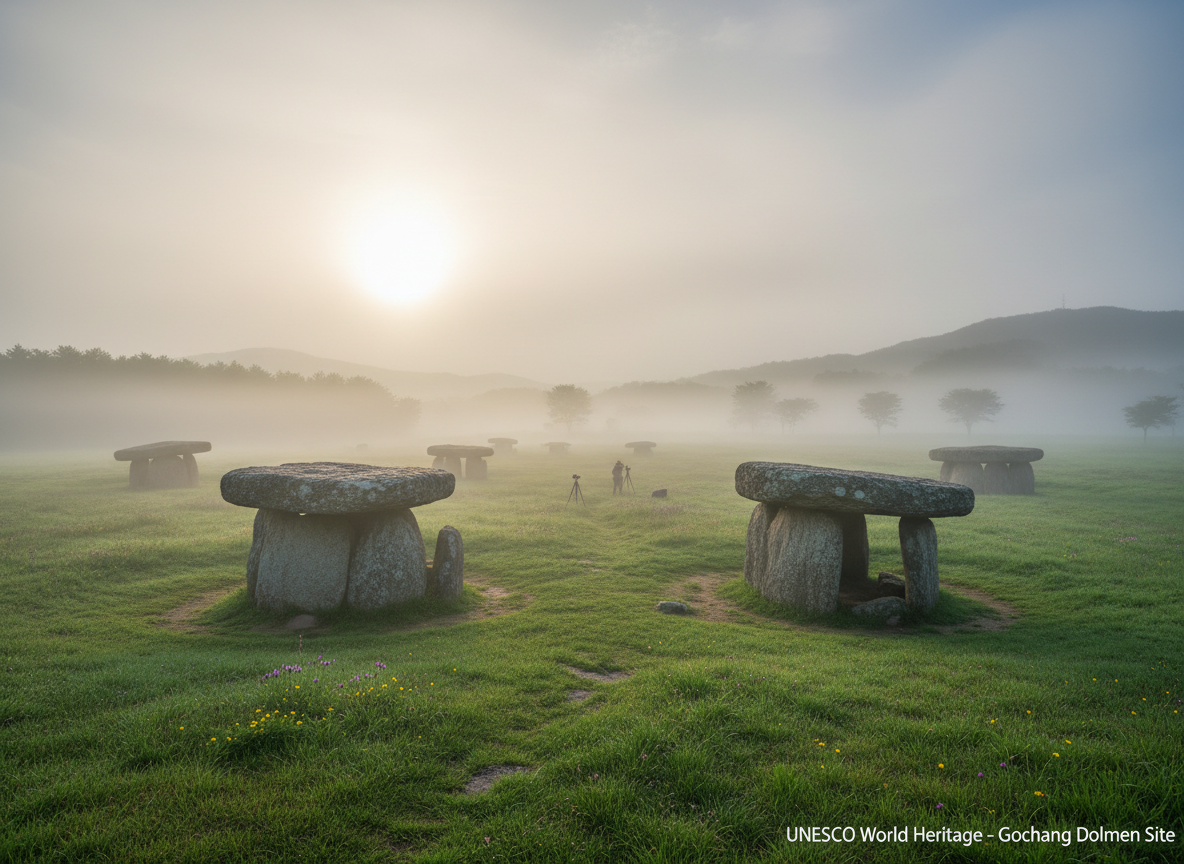
6. Gochang, Hwasun & Ganghwa Dolmen Sites — 2000
📍 North Jeolla & South Gyeongsang · Cultural | Over 35,000 prehistoric dolmen (stone burial monuments) are concentrated in three regions, representing the largest dolmen field in the world. Dating from the 1st millennium BC, they provide unparalleled evidence of Bronze Age society and funerary customs.
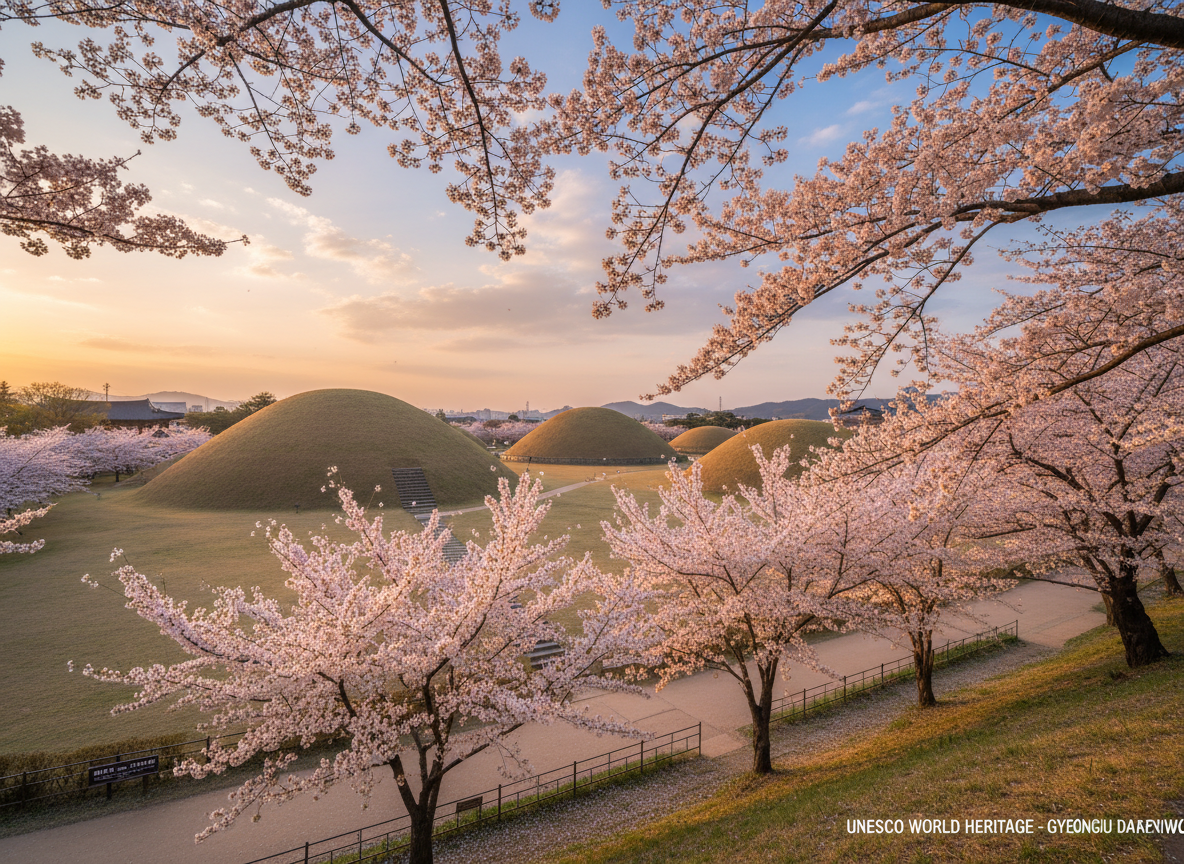
7. Gyeongju Historic Areas — 2000
📍 Gyeongju, North Gyeongsang · Cultural | The ancient capital of the Silla Kingdom (57 BC–935 AD) is an open-air museum of burial mounds, Buddhist temples, palace ruins, and stone reliefs. Highlights include the Cheomseongdae observatory, Anapji Pond, and the royal tumuli of Daereungwon.
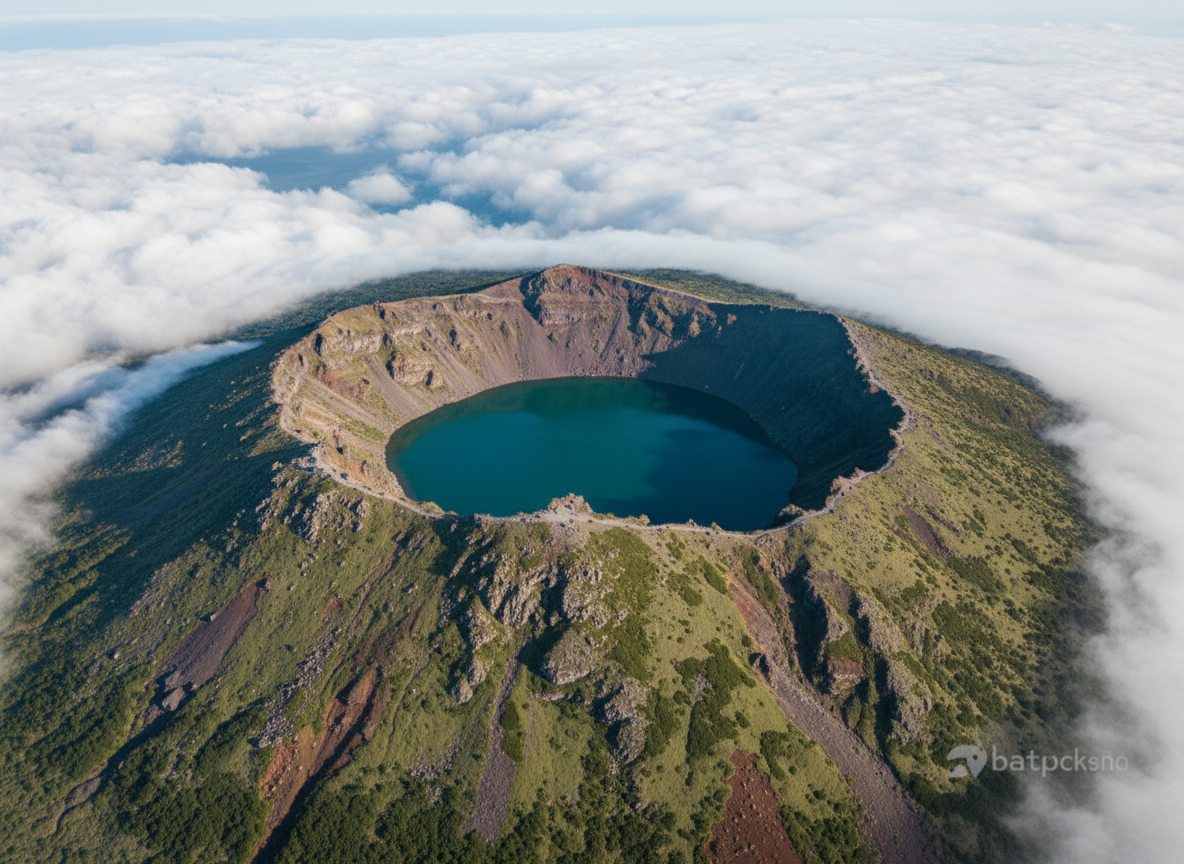
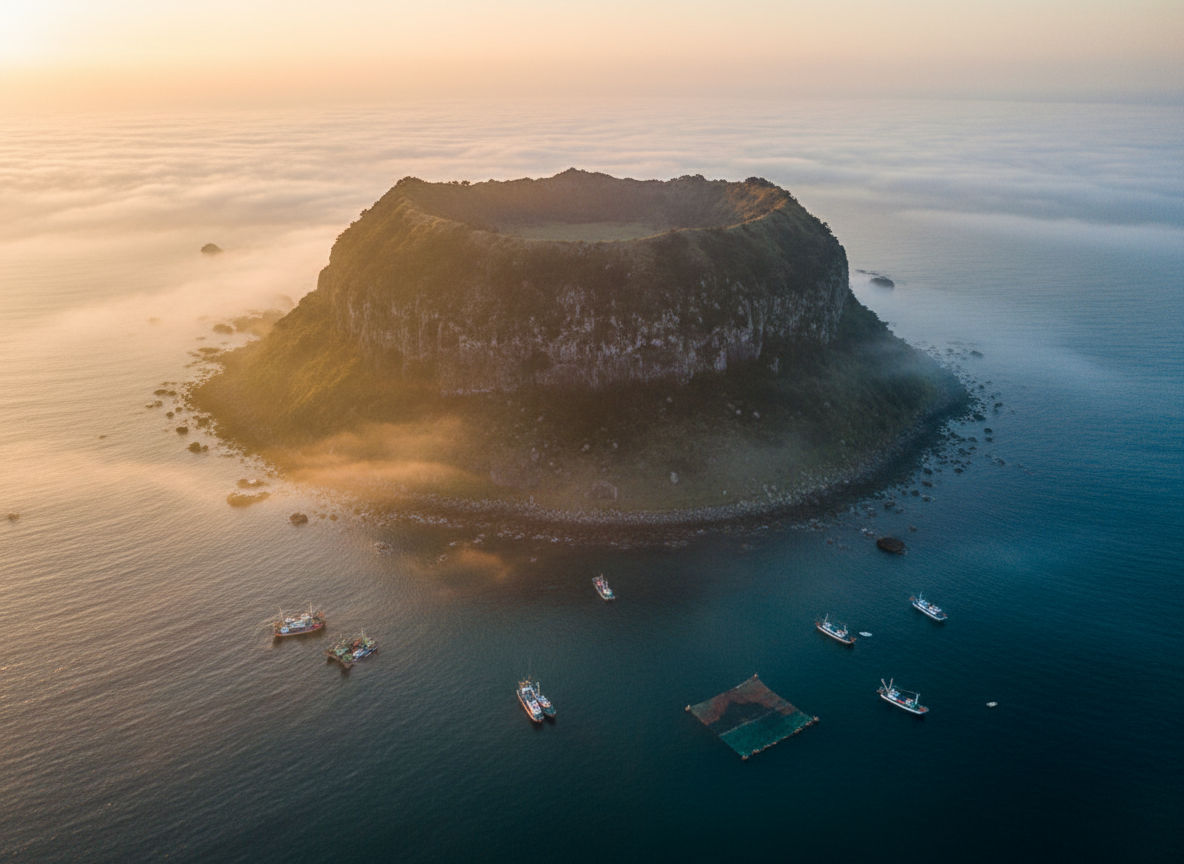
8. Jeju Volcanic Island & Lava Tubes — 2007
📍 Jeju Island · Natural | Korea’s only natural UNESCO World Heritage Site. Three zones are inscribed: Hallasan shield volcano (1,950 m), the Geomunoreum lava tube system including Manjanggul Cave (one of the world’s longest lava tubes), and Seongsan Ilchulbong tuff cone. Exceptional geological significance.
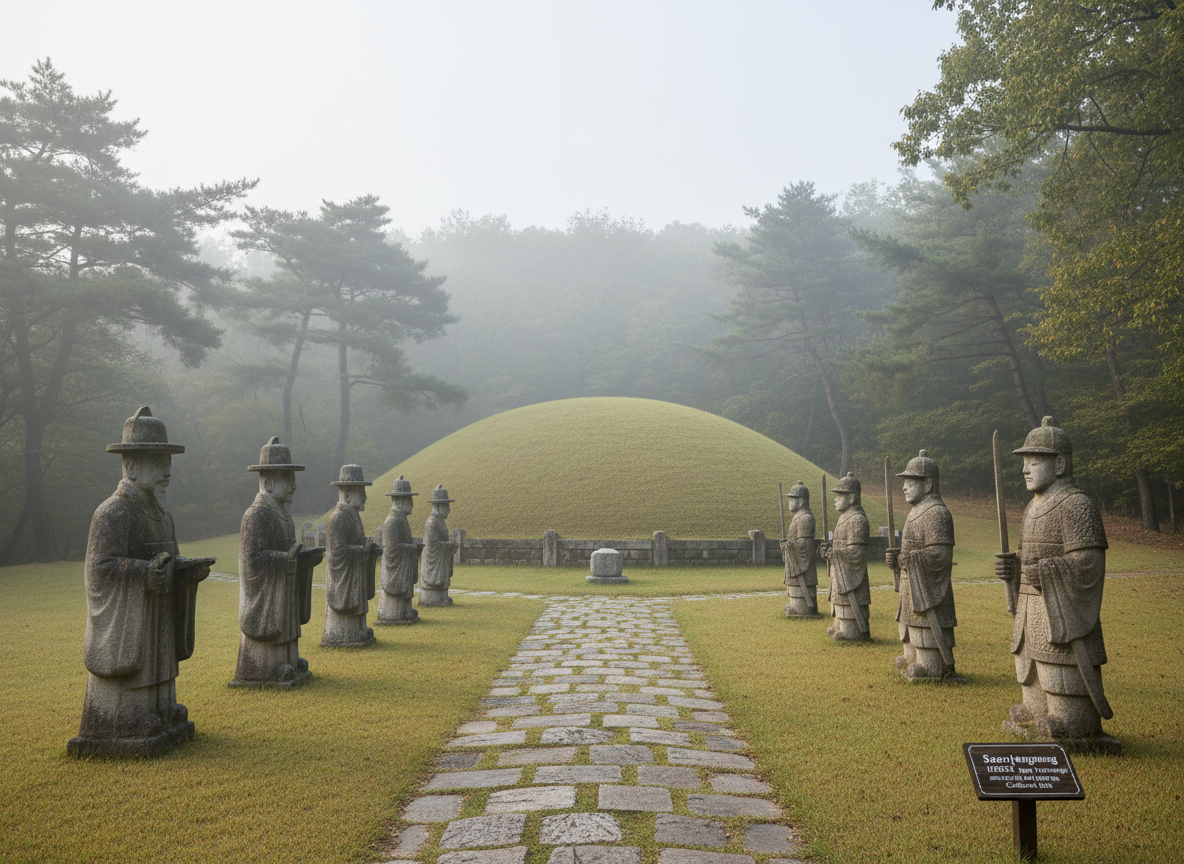
9. Royal Tombs of the Joseon Dynasty — 2009
📍 Seoul & Gyeonggi Province · Cultural | 40 royal tombs of Joseon kings and queens, spread across 18 sites, inscribed as a single property. Each tomb reflects Confucian principles of harmony between humans and nature. Many are surrounded by pristine forested buffer zones within Seoul’s city limits.
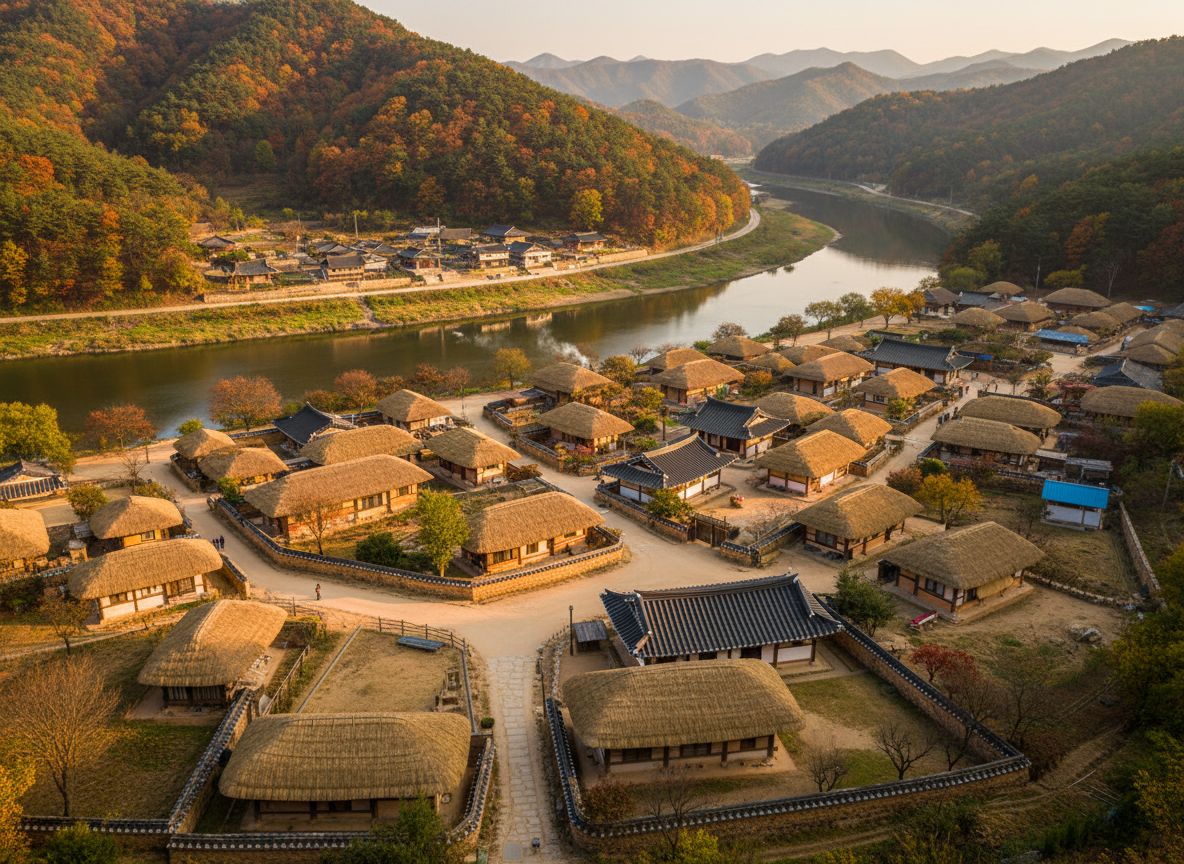
10. Historic Villages of Korea: Hahoe & Yangdong — 2010
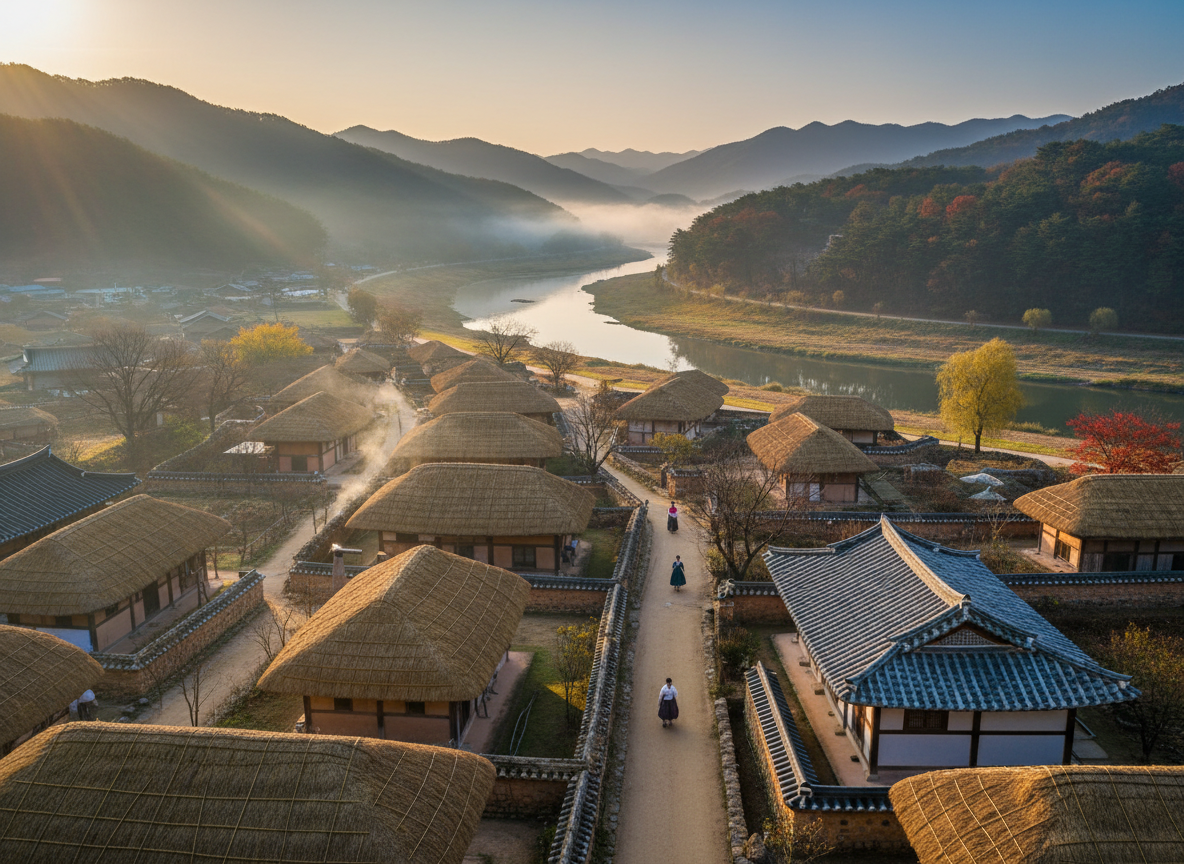
📍 Andong & Gyeongju · Cultural | Two clan villages that have been continuously inhabited since the 14th–15th centuries. Both preserve the full spatial layout of Joseon aristocratic (yangban) society — clan houses, servant quarters, academies, and shrines — within their original forested river-bend settings.
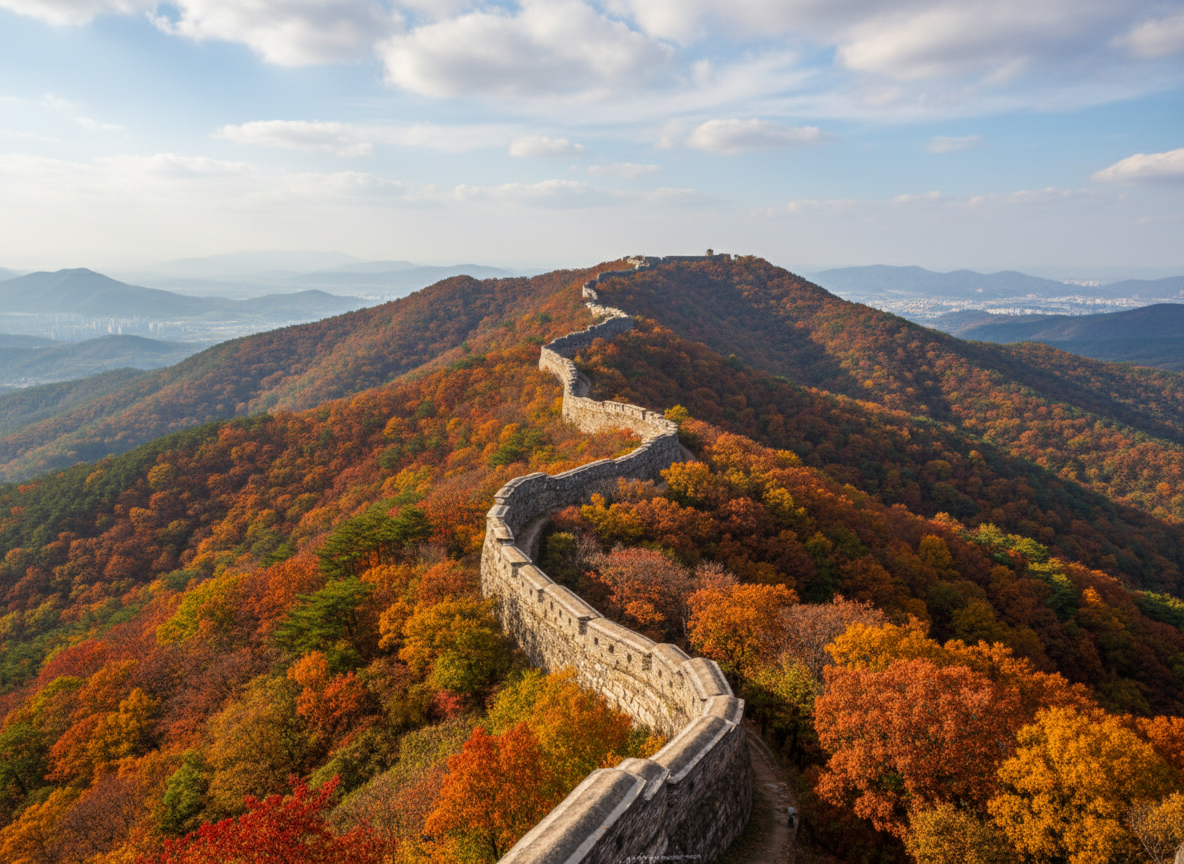
11. Namhansanseong — 2014
📍 Gwangju, Gyeonggi (30 km from Seoul) · Cultural | A mountaintop fortress city built and expanded between the 7th and 19th centuries as an emergency capital. The 11 km rampart walk passes command posts, gates, and a restored governor’s residence. Outstanding example of East Asian fortification design.
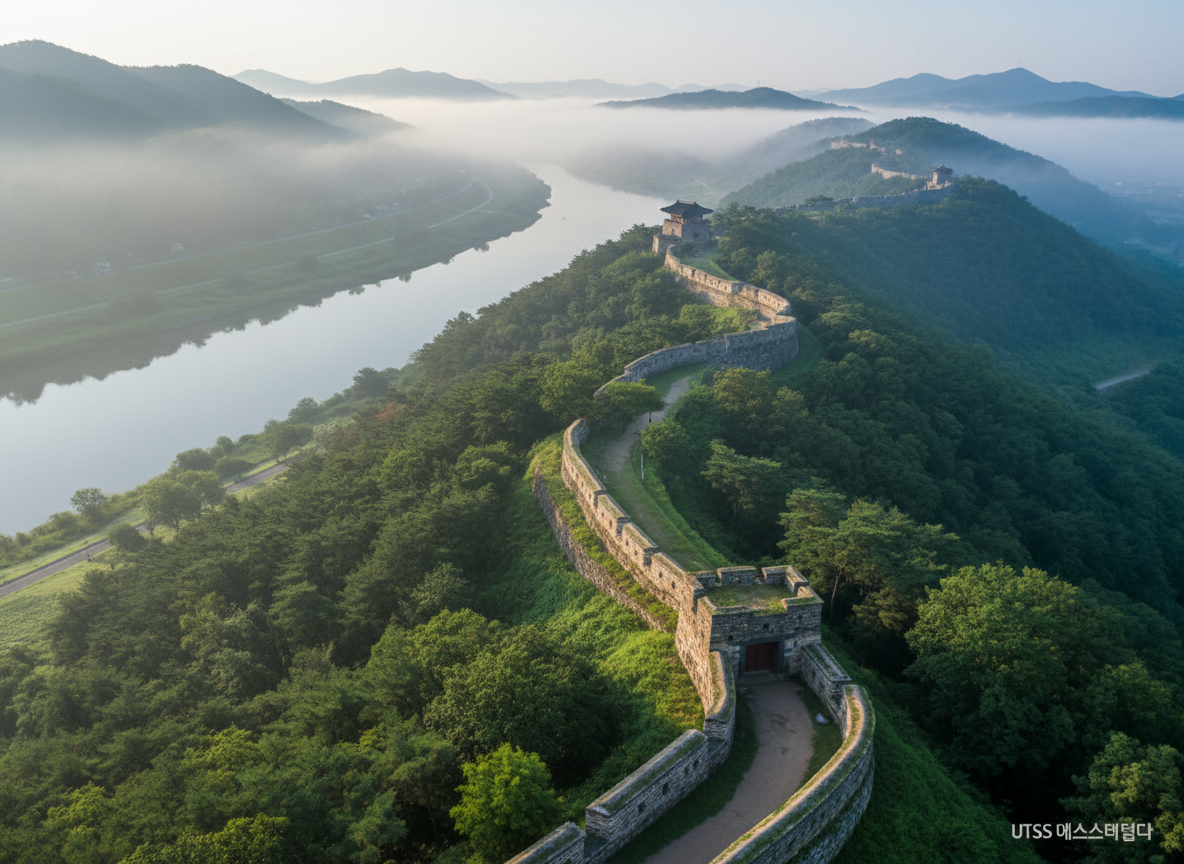
12. Baekje Historic Areas — 2015
📍 Gongju, Buyeo & Iksan, South Chungcheong · Cultural | Eight archaeological sites from the Baekje Kingdom (18 BC–660 AD), including Gongsanseong Fortress, Songsan-ri Tombs, Gwanbuk-ri Palace, and Mireuksa Temple Site. Baekje was a crucial conduit transmitting Chinese and Korean culture to Japan.
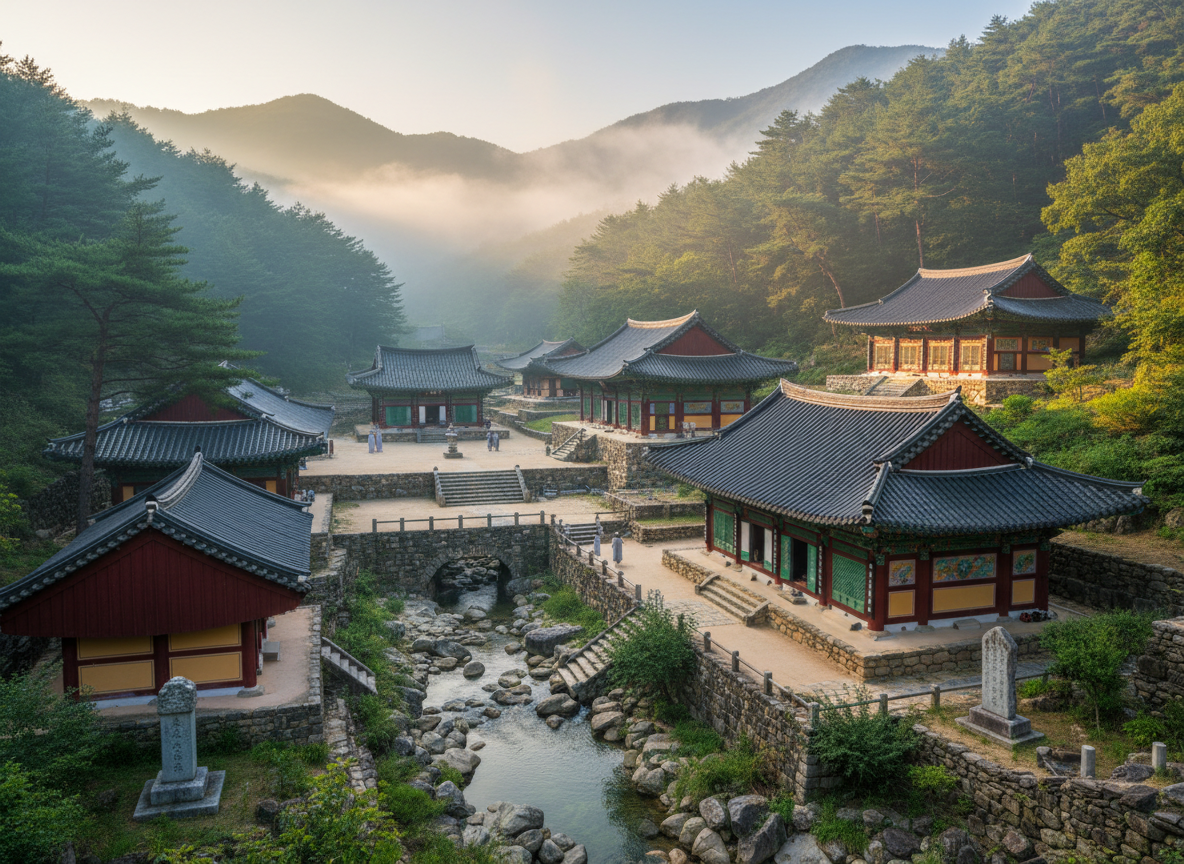
13. Sansa, Buddhist Mountain Monasteries — 2018
📍 Various mountain locations nationwide · Cultural | Seven Buddhist mountain monasteries — Tongdosa, Buseoksa, Beopjusa, Seonamsa, Daeheungsa, Magoksa, and Seonamsa — founded between the 7th and 9th centuries. Each continues as a living monastic community, preserving meditation, ritual, architecture, and landscape traditions.
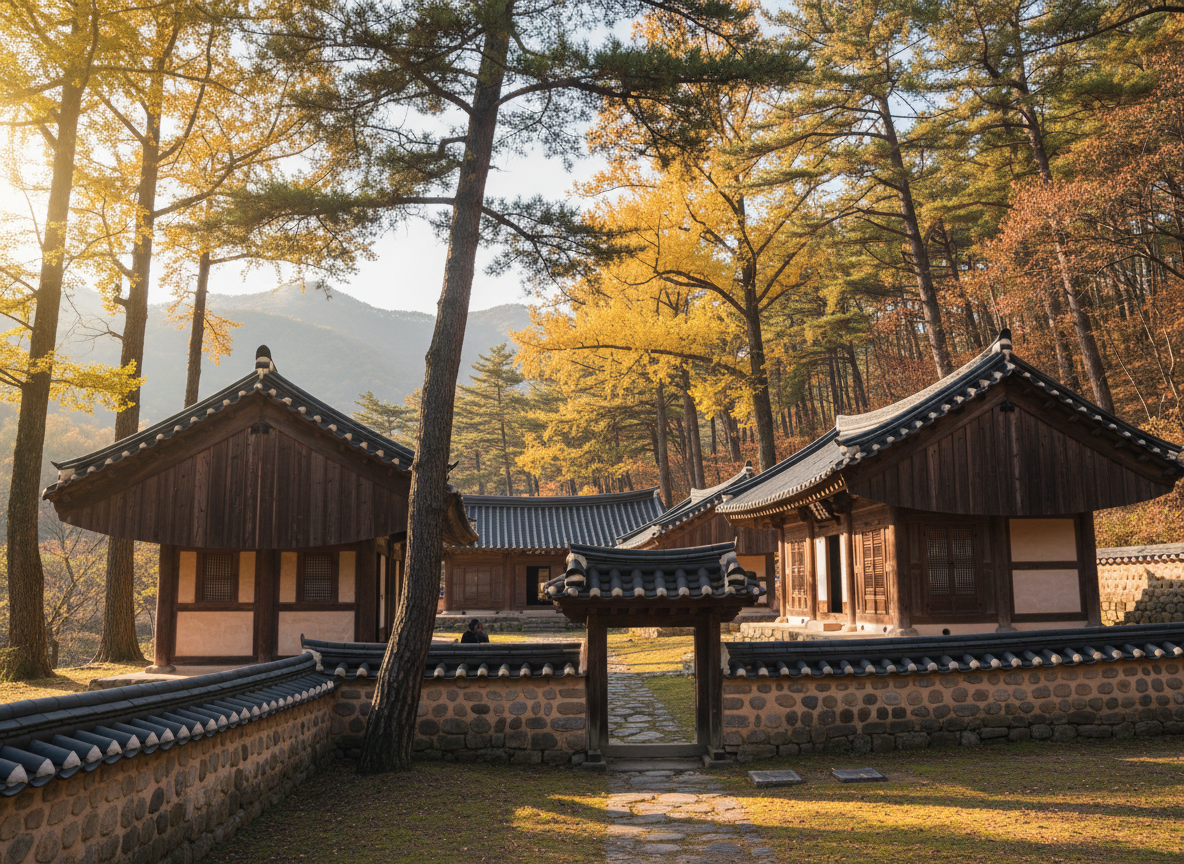
14. Seowon, Korean Neo-Confucian Academies — 2019
📍 Nine locations across Korea · Cultural | Nine private Confucian academies founded during the Joseon dynasty (16th–17th centuries) for the education of scholars and veneration of sages. They defined Korea’s intellectual landscape for 300 years and produced the civil servants who governed the kingdom.
15. Getbol, Korean Tidal Flats — 2021
📍 West & South coasts (Ganghwa, Seocheon, Gochang, Shinan) · Natural | Four tidal flat areas on Korea’s west and south coasts, representing one of the world’s most biodiverse coastal ecosystems. Critical habitat for migratory birds on the East Asian–Australasian Flyway and nursery for globally significant marine species.
16. Gaya Tumuli — 2023
📍 Seven locations in South Gyeongsang & North Gyeongsang · Cultural | Seven clusters of royal burial mounds from the Gaya confederacy (1st–6th centuries AD) — a network of independent polities that flourished alongside Silla, Baekje, and Goguryeo. The tumuli demonstrate Gaya’s distinctive material culture and funerary traditions.
17. Petroglyphs along Bangucheon Stream — 2025
📍 Ulju County, Ulsan · Cultural | Korea’s most recently inscribed site. Prehistoric rock carvings along the Bangucheon stream bank, depicting whales, hunting scenes, and human figures, date from the Neolithic and Bronze Ages. One of the largest and most significant petroglyph sites in East Asia.
THE 17 SITES
Korea’s UNESCO World Heritage Sites
Inscribed between 1995 and 2025 — spanning royal shrines, Buddhist temples, ancient tombs, mountain fortresses, tidal wetlands, and volcanic landscapes.
🏯 Royal & Confucian
Jongmyo Shrine (1995) · Changdeokgung Palace Complex (1997) · Hwaseong Fortress (1997) · Royal Tombs of the Joseon Dynasty (2009) · Seowon, Korean Neo-Confucian Academies (2019)
🛕 Buddhist & Ancient
Seokguram Grotto & Bulguksa Temple (1995) · Haeinsa Temple — Tripitaka Koreana (1995) · Gyeongju Historic Areas (2000) · Baekje Historic Areas (2015) · Sansa, Buddhist Mountain Monasteries (2018)
🌿 Natural, Prehistoric & Villages
Gochang, Hwasun & Ganghwa Dolmen Sites (2000) · Historic Villages: Hahoe & Yangdong (2010) · Namhansanseong (2014) · Jeju Volcanic Island & Lava Tubes (2007) · Getbol, Korean Tidal Flats (2021) · Gaya Tumuli (2023) · Petroglyphs along Bangucheon Stream (2025)
All 17 sites verified against the UNESCO World Heritage Centre official records. Listings current as of 2026.
Korea’s UNESCO sites are not museum pieces — they are living places of worship, scholarship, and memory, many still in active use after a thousand years.
START HERE
Most Visited UNESCO Sites
First-time visitor? These three sites offer the most complete, accessible introduction to Korea’s World Heritage — each within easy reach of Seoul.
🛕 Bulguksa Temple & Seokguram Grotto
Inscribed 1995 · Cultural · Gyeongju, North Gyeongsang. Built in 751 AD under the Unified Silla dynasty, Bulguksa represents the pinnacle of Buddhist architecture in East Asia. Its stone staircases, pagodas, and gilded halls were designed to symbolise the Buddhist Pure Land on earth. Seokguram, carved into the granite hillside above, houses a serene domed granite Buddha — one of the finest sculptures in all of Asia.
2.5 hrs from Seoul by KTX · Open daily 07:00–18:00 · ₩6,000 admission · Best visited at dawn
🏯 Changdeokgung Palace Complex
Inscribed 1997 · Cultural · Jongno-gu, Seoul. Built in 1405 as a secondary Joseon palace, Changdeokgung is celebrated for its harmonious integration with the surrounding natural landscape. Its Secret Garden (Huwon) — 78 acres of forested trails, pavilions, and lotus ponds — was the private retreat of Joseon royalty for over 400 years. One of the best-preserved palace complexes in East Asia.
Subway: Line 3 Anguk Station · Open Tue–Sun 09:00–18:00 · ₩3,000 · Secret Garden requires advance booking
🌋 Jeju Volcanic Island & Lava Tubes
Inscribed 2007 · Natural · Jeju Island. Korea’s only natural UNESCO World Heritage Site. Hallasan — a shield volcano rising 1,950 m — dominates the island’s centre, while the Geomunoreum lava tube system includes the Manjanggul Cave, one of the longest lava tubes on earth. Seongsan Ilchulbong (‘Sunrise Peak’), a dramatic tuff cone rising from the sea, completes the trio of inscribed zones.
1 hr flight from Seoul Gimpo · Sites open daily · Free to ₩3,000 · Hallasan summit requires full-day hike
BEFORE YOU GO
Frequently Asked Questions
Everything you need to plan a smooth UNESCO heritage tour across Korea.
Do I need a guide for UNESCO sites?
Most sites can be explored independently. Major sites like Bulguksa, Changdeokgung, and Gyeongju Historic Areas have multilingual signage and audio guides. Jongmyo Shrine and Changdeokgung’s Secret Garden require joining a guided tour — book online in advance.
Are the sites accessible by public transport?
Sites in Seoul (Jongmyo, Changdeokgung, Royal Tombs) are subway-accessible. Gyeongju, Buyeo, and Gongju are reachable by KTX + local bus. Jeju requires a flight. Sansa mountain monasteries and Hahoe Village need a taxi or rental car from the nearest train station.
Is there an integrated UNESCO pass?
No single pass covers all 17 sites. Admission is paid individually, ranging from free (some natural sites) to ₩6,000. The Korea Pass and Seoul City Pass cover some cultural sites — check coverage before purchasing.
What is the best season to visit?
Spring (April–May) for cherry blossoms at palaces and temples. Autumn (October–November) for foliage at mountain monasteries and Hahoe Village. Avoid major Korean holidays (Chuseok, Seollal) when sites are extremely crowded or closed.
How many UNESCO sites can I visit in one week?
A well-planned week covers 5–7 sites: 2 days in Seoul (Jongmyo, Changdeokgung, Royal Tombs), 2 days in Gyeongju (Bulguksa, Seokguram, Gyeongju Historic Areas), 1 day in Suwon (Hwaseong Fortress), and a day trip to Namhansanseong or Hahoe. Jeju adds 2 more days.
Are the sites free to enter?
Several sites are free: Gyeongju Historic Areas (open-air tumuli zone), Dolmen Sites, some Sansa monasteries, and Getbol tidal flats. Paid sites range from ₩1,000 (Jongmyo) to ₩6,000 (Bulguksa). Changdeokgung Secret Garden is ₩8,000 and requires advance reservation.
Can I photograph inside the sites?
Photography is permitted at most outdoor areas. Interior halls of active temples and shrines may restrict photography out of religious respect — look for posted signs. Seokguram’s inner chamber prohibits all photography to protect the granite sculpture.
Are there English audio guides?
Yes — Bulguksa, Changdeokgung, Gyeongju National Museum, Hwaseong Fortress, and the Baekje sites all offer English audio guides or QR-linked guides. Naver Maps and the Korea Heritage Service app provide English descriptions for many sites.
PLANNING YOUR VISIT
Make the Most of Korea’s Heritage Sites
More than sightseeing — here’s how to experience Korea’s UNESCO sites at their deepest.
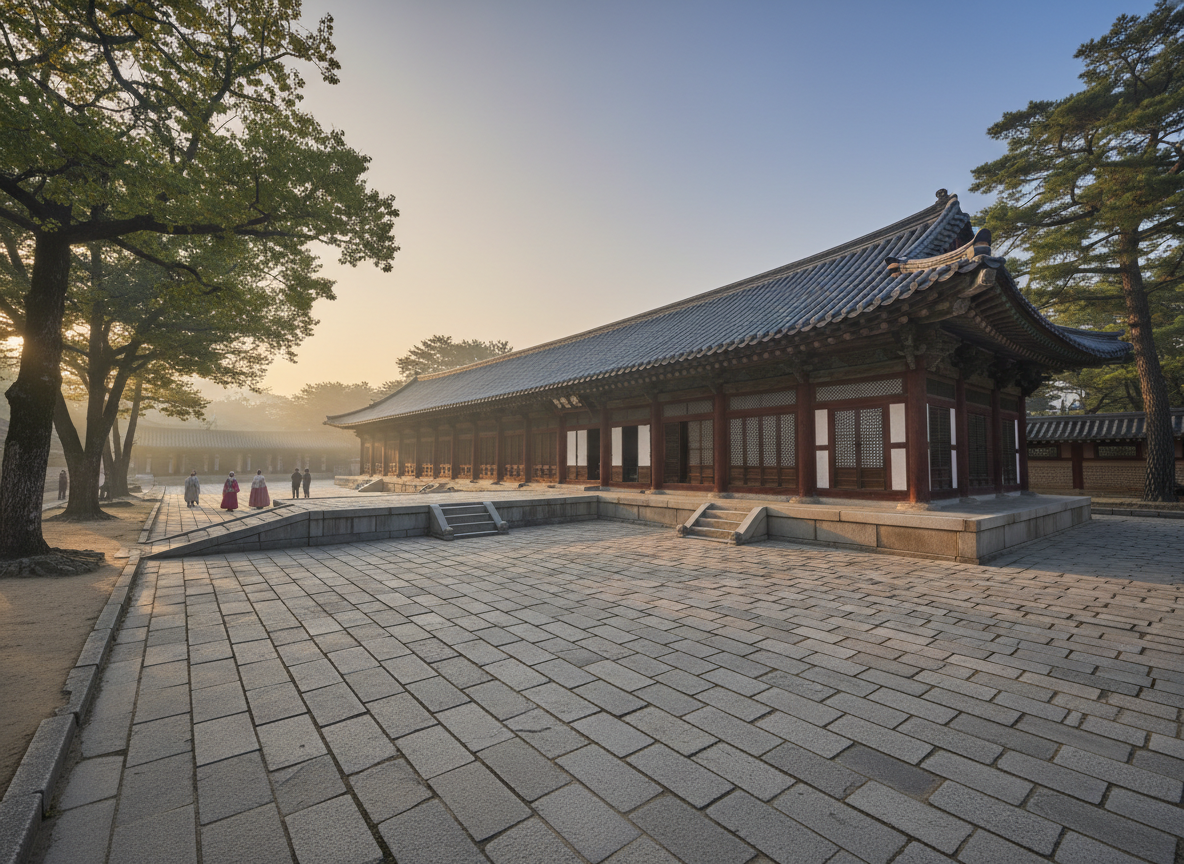
🏯 Attend a Living Rite
Jongmyo Shrine holds the Jongmyo Jerye — a Confucian royal ancestral rite performed every first Sunday of May. Solemn, visually extraordinary, and listed separately as UNESCO Intangible Cultural Heritage. Free to observe; arrive early.
📜 See the Tripitaka Koreana
Haeinsa Temple houses 81,258 wooden printing blocks carved in the 13th century — the world’s most complete Buddhist canon. The Janggyeong Panjeon depositories have preserved them for 700 years through ingenious natural ventilation design.
🌅 Visit Seongsan at Sunrise
Seongsan Ilchulbong on Jeju Island glows amber at first light. A 20-minute climb up stone stairs rewards you with a crater rim view over the sea. Open from 07:00; arrive 30 minutes before sunrise. Admission ₩2,000.
🏘️ Stay in Hahoe Village
Historic Hahoe Village (inscribed 2010) is a living UNESCO site — residents still occupy 600-year-old Joseon-era homes. Stay overnight in a traditional hanok guesthouse inside the village boundary for an experience unique in Korea.
🚶 Walk the Hwaseong Fortress
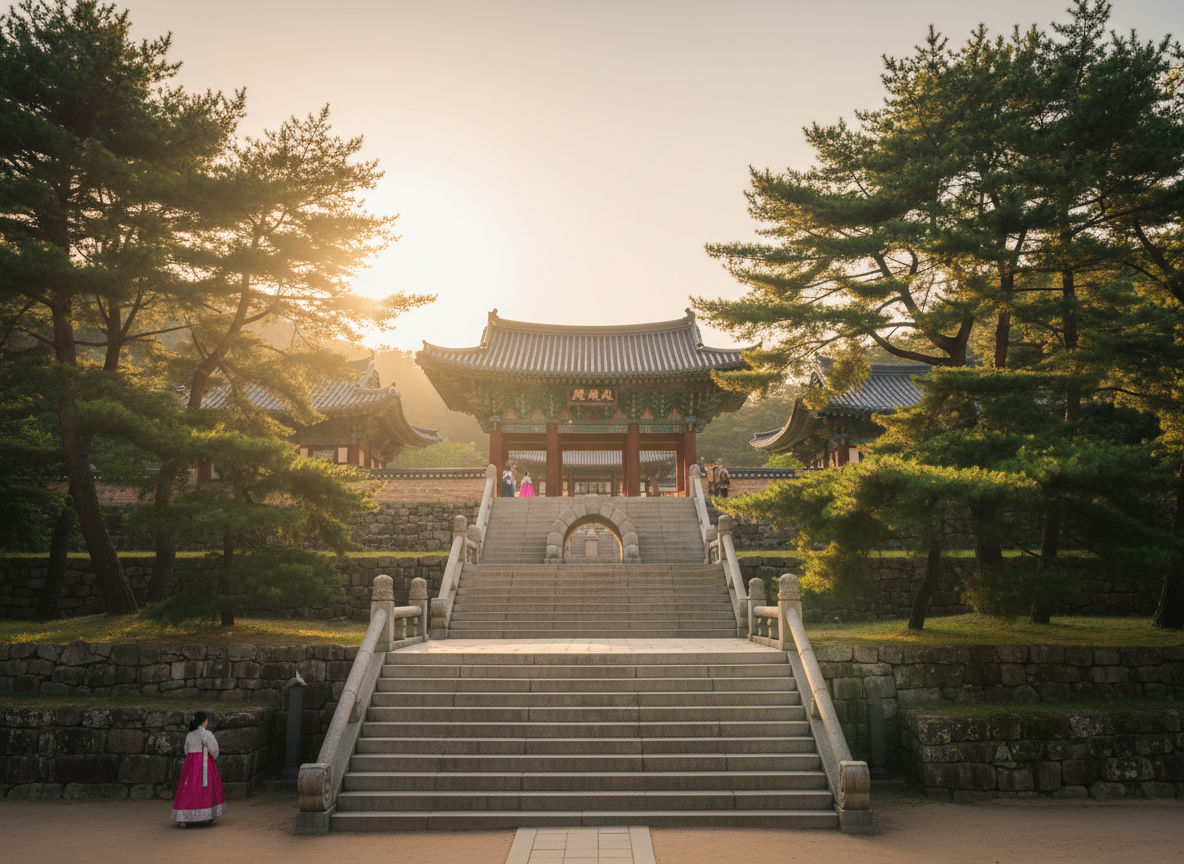
Hwaseong Fortress (inscribed 1997) in Suwon offers a 5.7 km perimeter walk along walls, watchtowers, and floodgates. Built in 1796 using innovative engineering by scholar Jeong Yak-yong. Free admission to the walls; 2–3 hours to complete.
⛰️ Hike Namhansanseong
Namhansanseong (inscribed 2014) is a mountaintop fortress city 30 km from Seoul — hike through it, eat lunch inside, and explore the governor’s residence. The 11 km rampart walk takes 3–4 hours. Accessible by subway + local bus.
Plan Your Visit
Visitor Information
✈️ Getting There
International flights arrive at Incheon International Airport (ICN). The AREX express train reaches Seoul Station in 43 minutes (₩9,500). KTX high-speed trains connect Seoul to Gyeongju (2 hrs), Suwon (30 min), Gongju, and Buyeo. Jeju requires a domestic flight (1 hr from Gimpo). For mountain monasteries and Hahoe Village, take the KTX to the nearest city then a local taxi.
🕐 Admission & Hours
Most cultural sites open Tue–Sun 09:00–18:00, extended to 21:00 in summer. Monday closures are common — always verify before visiting. Active Buddhist monasteries (Sansa sites) are open daily year-round.
Admission ranges from free (Dolmen Sites, Getbol tidal flats, some Sansa monasteries) to ₩8,000 (Changdeokgung Secret Garden). Jongmyo: ₩1,000 · Changdeokgung: ₩3,000 · Bulguksa: ₩6,000 · Hwaseong Fortress walls: free · Namhansanseong: free. Student and senior discounts apply at most paid sites.
Visit weekday mornings to avoid tour groups. Spring (Apr–May) and autumn (Oct–Nov) are peak season for foliage and blossoms. Book Jongmyo Shrine and Changdeokgung Secret Garden online — weekend slots sell out fast.
💡 Essential Tips
✔ Book Changdeokgung Secret Garden and Jongmyo Shrine tickets online in advance — weekend slots sell out.
✔ Dress modestly at active temples and shrines — shoulders and knees covered. Remove shoes before entering halls.
✔ Use Naver Maps for navigation — Google Maps has coverage gaps across Korea.
✔ Photography is forbidden inside Seokguram’s inner chamber. Check posted signs at temple halls.
✔ Carry small cash — some remote sites and shuttle buses do not accept cards.
UNESCO KOREA
Official Korea Heritage →
VISIT KOREA
Tourism Board Site →
CONTACT
xplore@korea.guide
Plan Your UNESCO Heritage Tour in Korea
Seventeen sites. Five thousand years. One extraordinary country.
 XPLORE KOREA